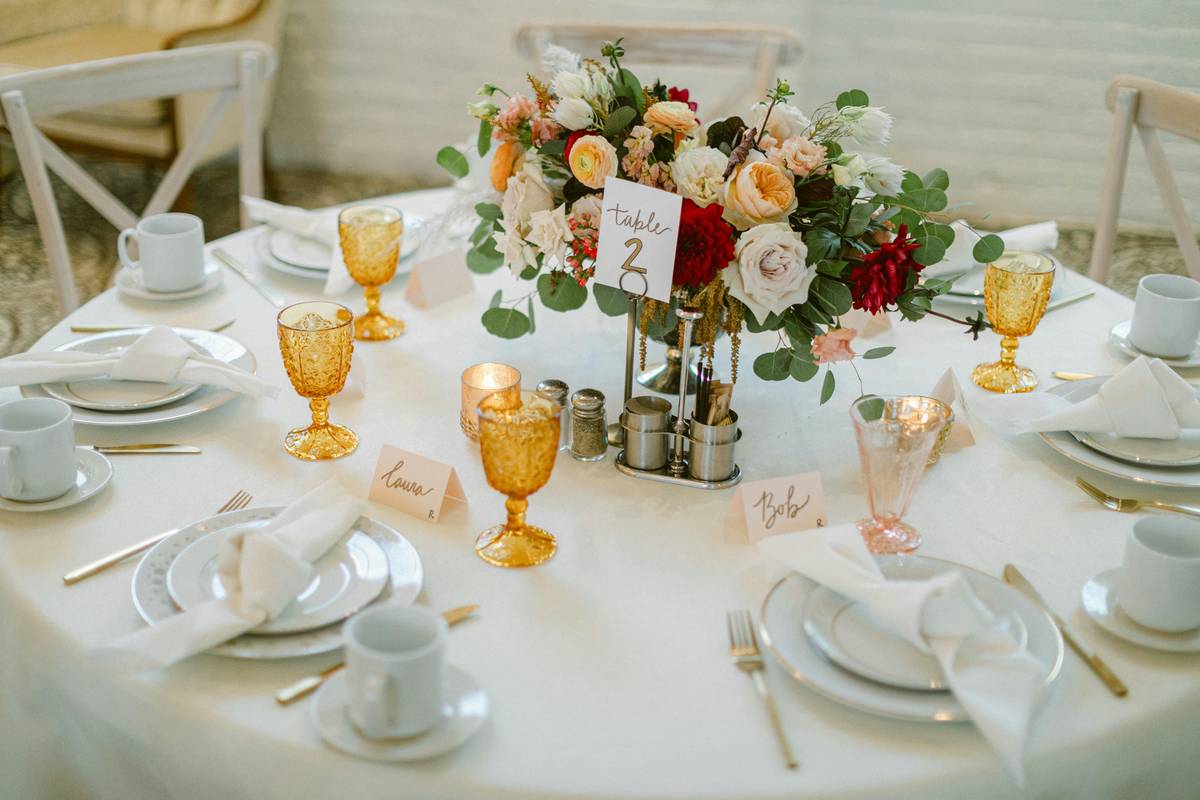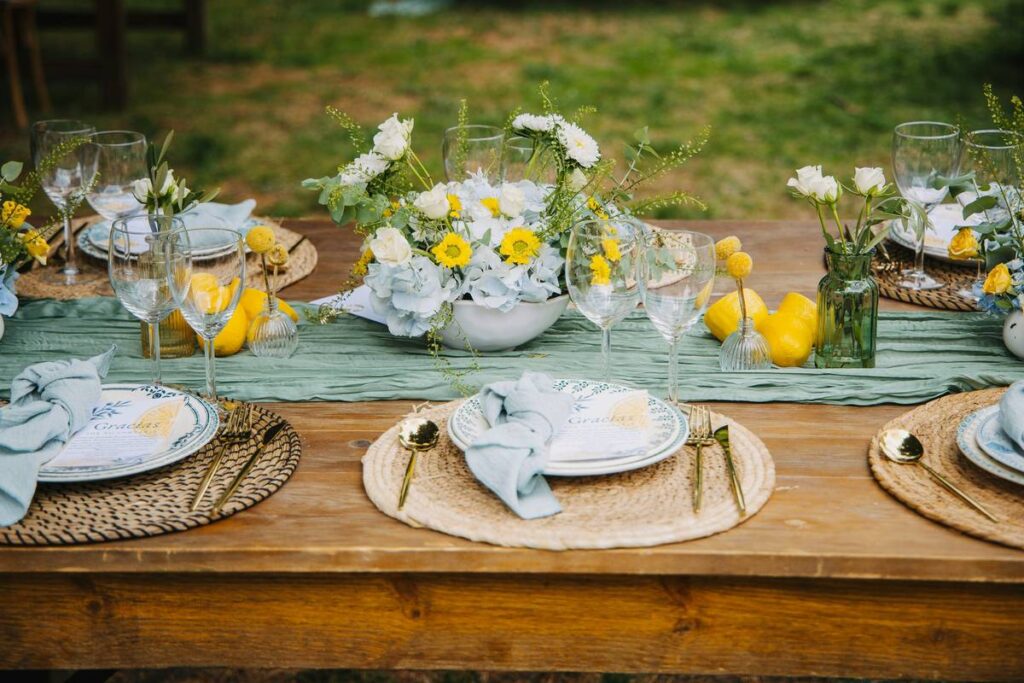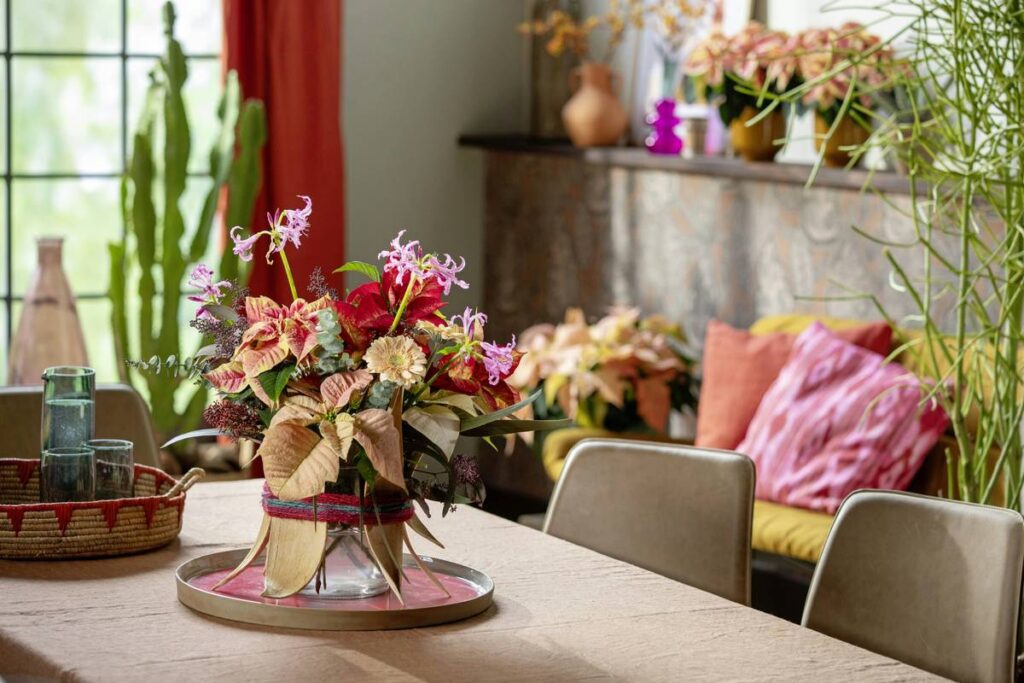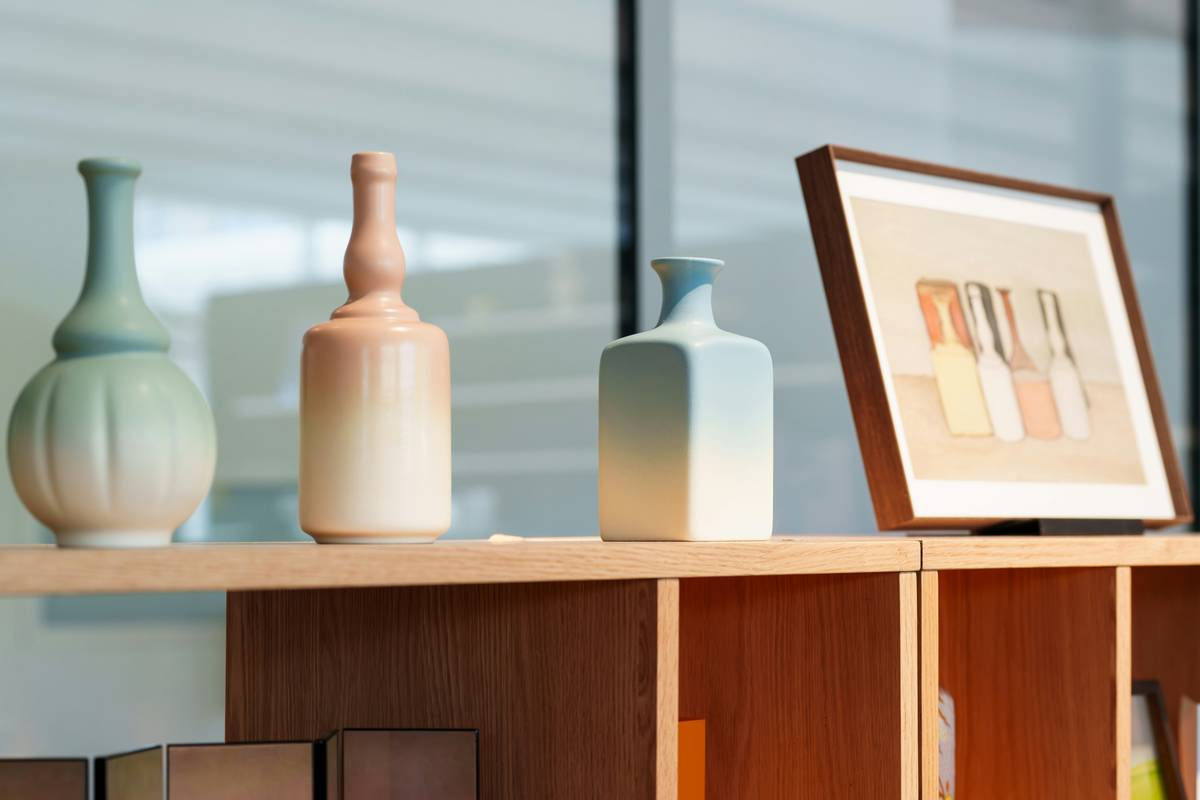
You spent hours picking the perfect sofa. The rug? Perfect. But your coffee table still looks empty, staged, or worse—like an afterthought. Generic vases and candle clusters scream “I tried.” The problem isn’t effort—it’s strategy. Real home decor centerpieces don’t just sit there; they anchor mood, reflect personality, and command attention without shouting.
Why Most Centerpieces Fail (And Make Your Room Feel Cheap)
Mass-market centerpieces prioritize convenience over cohesion. A $20 pre-assembled floral kit from a big-box store might match your color palette—but it lacks soul. Worse, it repeats what every other home on Instagram is doing. And scale? Often wrong. Too small for the surface, too busy for the room’s energy.
Here’s the reality: centerpieces aren’t decorative filler. They’re visual punctuation. Skip intentionality, and you undercut your entire design investment.
How to Build home decor centerpieces That Work—Every Time
Forget rules about symmetry or seasonal bouquets. Start with function, then layer in form. Ask: Is this surface used daily? Is it a focal point or background element?
Step 1: Define the Surface’s Role
Dining tables demand height variation and conversation starters. Coffee tables need low-profile, durable pieces (kids, pets, remotes). Entry consoles? Think vertical interest—mirrors, stacked books, sculptural objects.
Step 2: Choose Your Anchor Object
Pick one hero item: a ceramic bowl, vintage lantern, or raw-edge wood slab. This sets tone—modern, rustic, eclectic. Everything else supports it.
Step 3: Layer With Purpose
Add 1–2 complementary elements max. Texture > color. A linen napkin under a brass tray. Moss tucked beside smooth river stones. Restraint creates luxury.
| Centerpiece Type | Best For | Cost Range | Lifespan |
|---|---|---|---|
| Living Floral Arrangement | Dining rooms, formal entries | $25–$80/week | 4–7 days |
| Curated Object Cluster | Coffee tables, shelves | $0–$150 (one-time) | Years (with rotation) |
| Natural Element Display | Boho, minimalist, coastal | $5–$40 | 6+ months |
| Candle + Vessel Combo | Moody evenings, bedrooms | $15–$60 | Until burned |
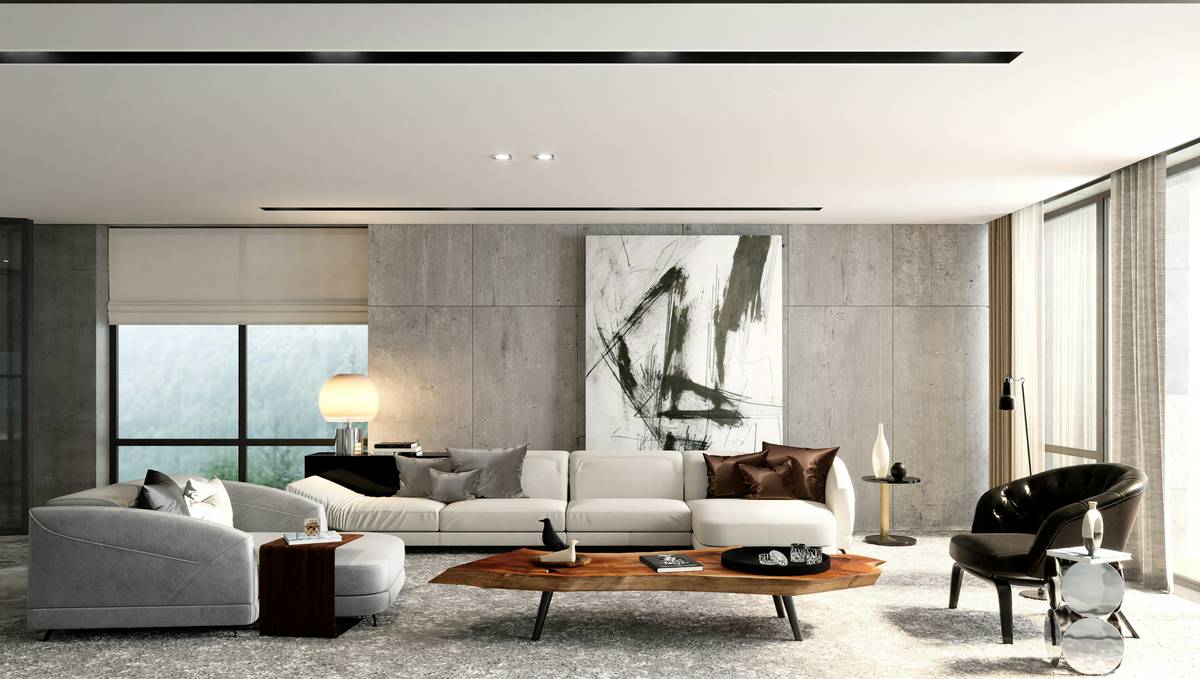
The Industry Secret: Rotate, Don’t Replace
Top interior stylists rarely buy new centerpieces quarterly. They rotate existing pieces through different rooms. That marble bowl from your bathroom? Moves to the dining table with sprigs of eucalyptus during winter. The woven basket from your bedroom holds pinecones in fall. This isn’t frugality—it’s narrative depth. Your home tells evolving stories, not static catalog pages. And clients never notice it’s the same object—they feel the shift in energy. That’s the difference between decoration and curation.
Frequently Asked Questions
What makes a good centerpiece for a rectangular dining table?
Keep it low in the center so guests can see each other. Use asymmetrical groupings—three varying heights off-center work better than one tall vase dead center.
Can I use fake plants in home decor centerpieces?
Yes—if they’re high-quality (think silk eucalyptus or preserved moss). Avoid plastic-looking ferns. Dust them monthly; realism fades fast when coated in grime.
How often should I change my centerpiece?
Seasonally is ideal, but even shifting one element—swapping white candles for black, adding shells in summer—refreshes the whole look without cost.